
Website Design & Development
Introduction
Website design and development involve creating a visually appealing, functional, and user-friendly online presence. Design focuses on aesthetics, layout, and ensuring a smooth user experience, while development brings the design to life with code, making the site interactive and responsive (Dillon-Shallard, 2023). Together, they require balancing creativity with technical aspects like functionality, speed, and security.
Planning and Structuring
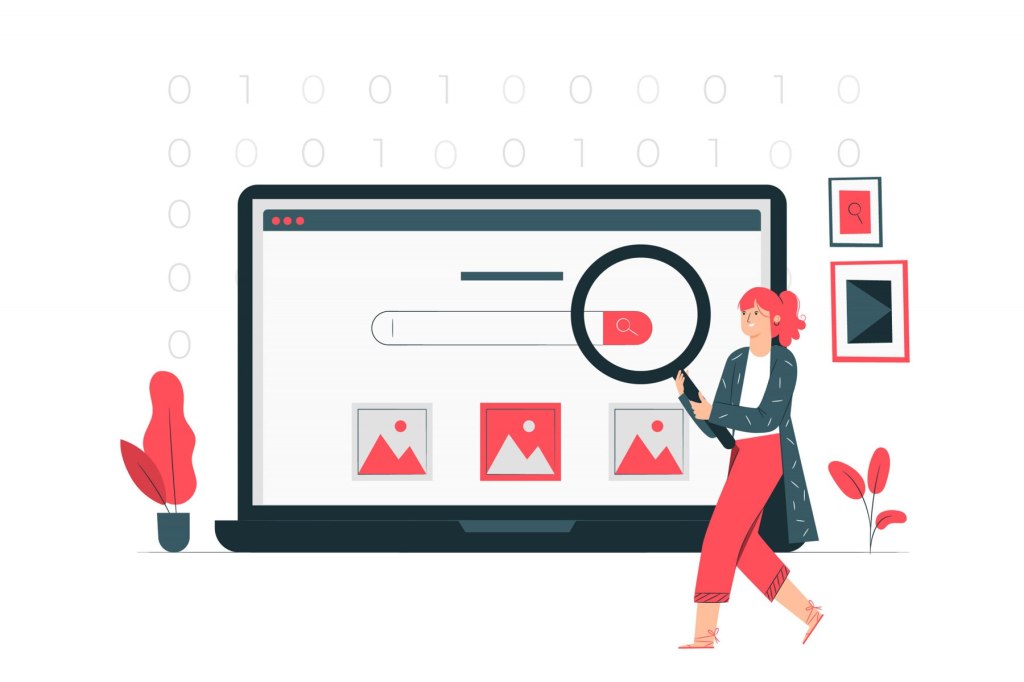
Planning and structuring a website layout involves organizing content in a clear, intuitive way (VisualSitemaps, 2024). Key elements include a header for navigation, a main body for content, and a footer for additional links. The layout should prioritize usability, ensuring easy access to important sections, while maintaining a responsive design for all devices. A well-organized layout enhances user experience, keeps visitors engaged, and helps achieve business goals.
When planning and structuring a website, it’s crucial to ensure design consistency across all pages. This includes using a uniform color scheme, fonts, and layout style that align with the brand’s identity . Consistency enhances user experience, making navigation intuitive and improving the overall aesthetic appeal. A well-structured website with consistent design also helps build trust and professionalism, ensuring visitors can easily navigate and understand the content (Creation, 2023).
SEO Optimization

Content marketing for a website involves creating and sharing valuable, relevant content to attract and engage your target audience. This can include blog posts, videos, infographics, and social media content (NYTLicensing, 2025). Use SEO best practices to improve visibility, incorporate clear calls-to-action (CTAs), and regularly analyze performance through analytics. Consistency in content creation and targeting the right audience helps build trust, boost engagement, and drive conversions (Baker, 2023). The goal is to provide helpful information, build trust, and encourage conversions while improving SEO and driving organic traffic.
Mobile responsiveness ensures a website adapts seamlessly to different screen sizes and devices, providing an optimal user experience. It involves using flexible layouts, scalable images, and touch-friendly navigation to ensure the site is easily accessible and functional on smartphones, tablets, and desktops. There are few tools online to test your website for mobile responsiveness such as Google’s Test site, SEO tools such as SEObility or just checking the website with other devices (Team, 2023). This will improves user engagement and increase of SEO rankings.
Conclusion

Setting up a website involves careful attention to planning, structuring, and optimizing various elements for a successful online presence. Key challenges such as layout planning, design consistency, content marketing, and mobile responsiveness can be addressed by following strategic solutions. For layout, clear organization and intuitive navigation ensure ease of use. Consistent design across the site reinforces branding and enhances the user experience. A solid content marketing plan helps engage visitors and drive traffic, while optimizing for mobile responsiveness ensures accessibility across devices (Katz, 2021). By tackling these challenges, a website can provide an optimal experience for users and support business goals.
References
Dillon-Shallard, D. (2023). Web Design & Development: What’s the Difference | Butterfly. [online] Butterfly. Available at: https://butterfly.com.au/blog/web-design-development/.
VisualSitemaps. (2024). Website Planning | Information Architecture Tips and Tools – VisualSitemaps. [online] Available at: https://visualsitemaps.com/resources/website-planning-information-architecture-tips-and-tools/ [Accessed 19 Feb. 2025].
Creation, C.W. (2023). Website Design Consistency: How To Create a Cohesive Look | Emulent. [online] Emulent. Available at: https://emulent.com/blog/website-design-consistency/.
NYTLicensing. (2025). Creating a Web Content Marketing Strategy | NYTLicensing. [online] Available at: https://nytlicensing.com/latest/methods/creating-web-content-marketing-strategy/ [Accessed 19 Feb. 2025].
Baker, K. (2023). The Ultimate Guide to Content Marketing in 2020. [online] HubSpot. Available at: https://blog.hubspot.com/marketing/content-marketing.
Team, E.U. (2023). How to determine if your site is mobile-friendly. [online] Recharge. Available at: https://getrecharge.com/blog/mobile-friendly/.
Katz, I. (2021). Page Content: 24 Key Features of a Successful Homepage |. [online] Websites 4 Small Business – Website Design & Development. Available at: https://www.web4business.com.au/portfolio-item/24-key-features-successful-homepage/ [Accessed 19 Feb. 2025].
Reports for this (ivandesign.work) website audited by SEOptimer.com, Seobility.net, and seotesteronline.com as of 20 Feb 2025 here.
Website Checklist Download Here >
A checklist keeps the process organized and efficient, ensuring a smooth and successful website performance.
 Ivan Design